
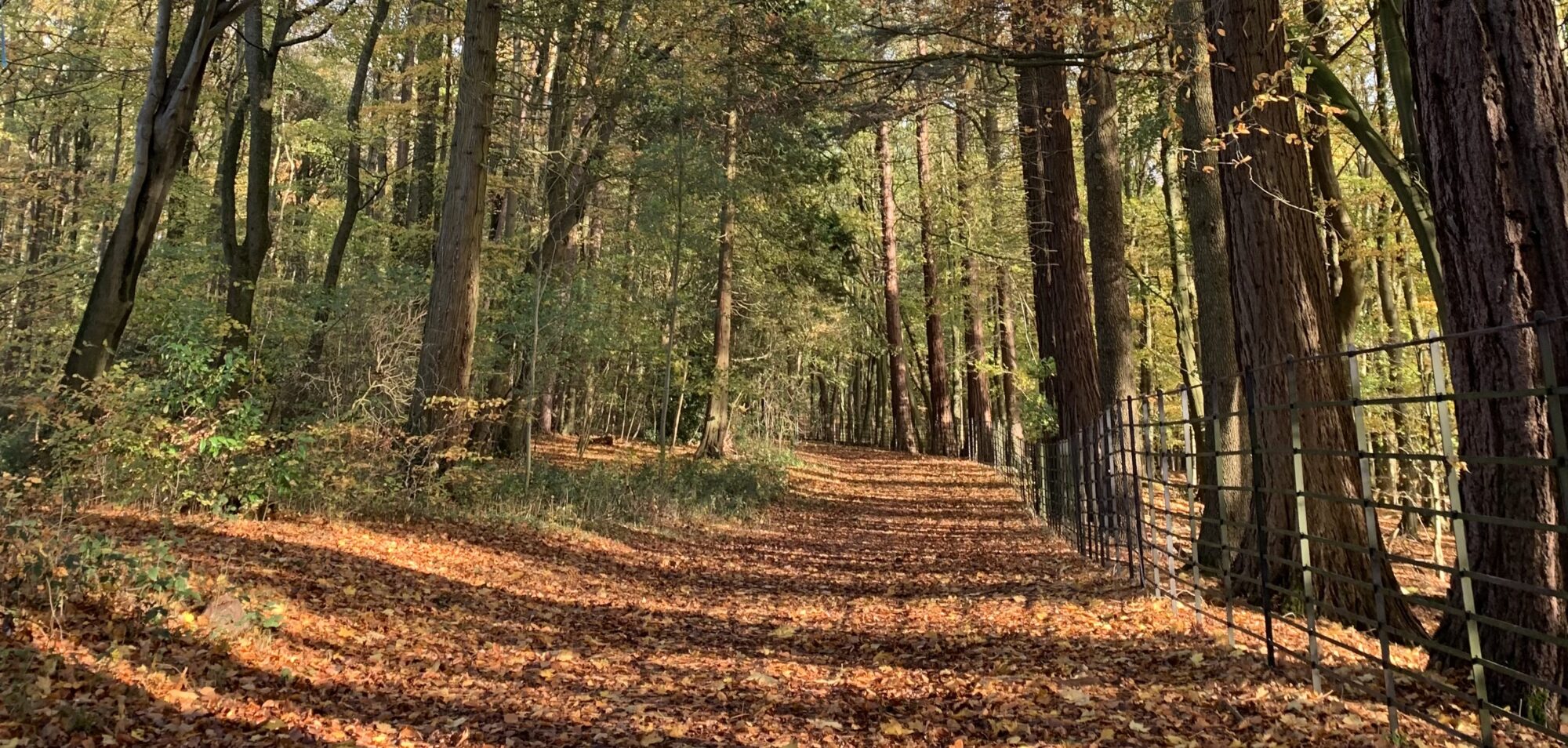
Firstly, congratulations for signing up to your first trail race! It can be daunting but hopefully this page will keep your nerves at ease by answering common FAQs.
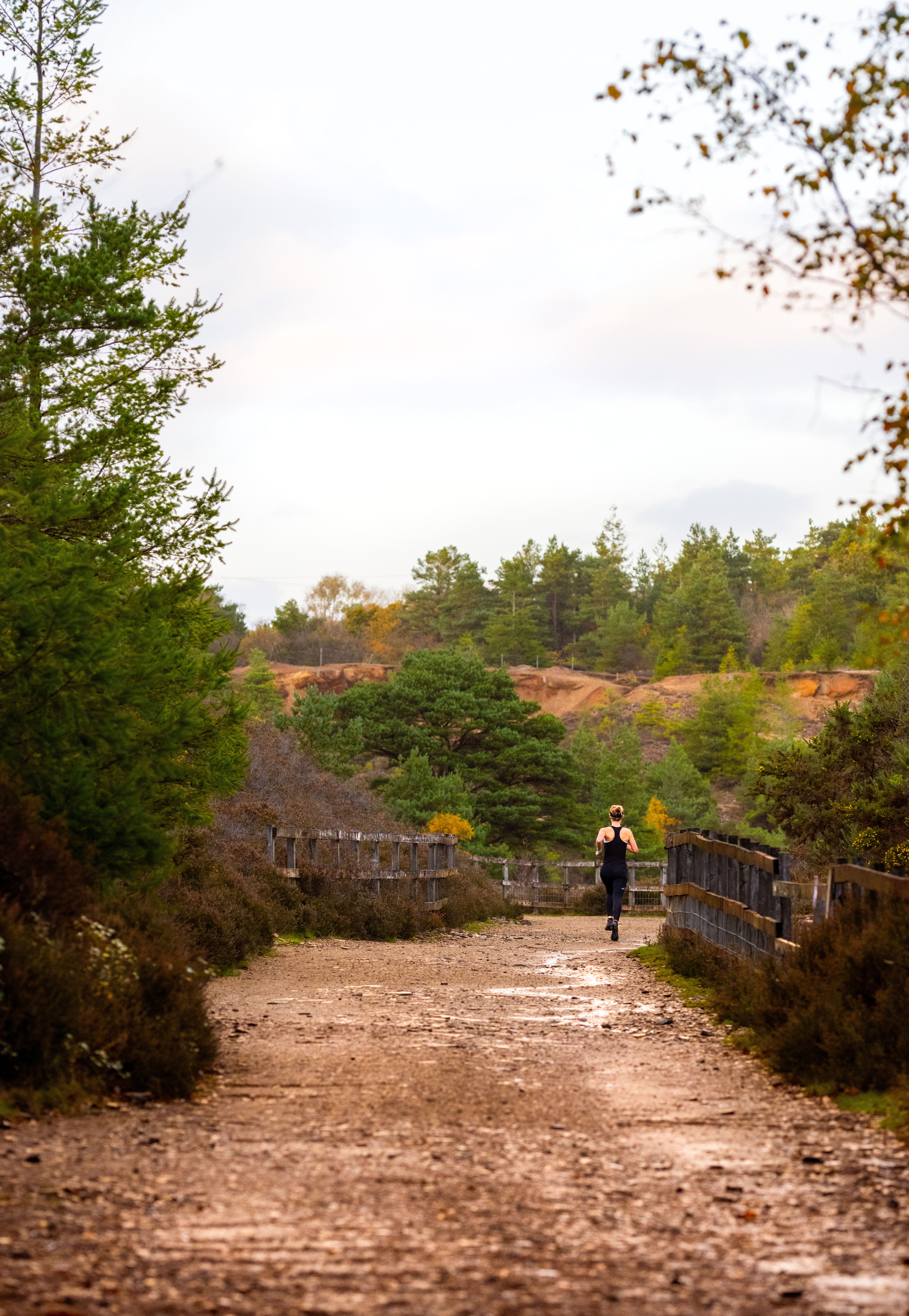
Why is trail different to road running?
Trial running is a whole other ball game when you compare it to road running. It can get gnarly with the terrain, the elevation and the weather.
When looking at the run it can be daunting with all the elevation when you go into it with the expectation of running the whole thing. By that’s the best thing about trail running…you often walk for a surprising amount of the race!
How to train for your first race?
Training for a trail running race can have a similar schedule to a road race but there are bits that you need to really focus on. The main one is strength training, whether that be body weight strength training or hitting the weights in the gym.
When you’re out on the trail your whole body will be landing in a number of ways to try and avoid any stone, branch or puddles. This added movement can increase the likelihood of you injuring yourself and that’s why it’s important you strengthen those muscles so that they are able to take on the additional challenges.
Many do also encourage doing hill reps in your training plan. These reps will include doing a light warm up to a bottom of a hill, then running up the hill for a set length / period of time and jogging back down, and then repeating for a set number of times.
As you would expect, doing these hill reps will help you when you come to facing those hills on your trail race!
What to pack for the race?
We would suggest you look at the manual provided by the event organiser to see what compulsory items you have to bring. Obviously, this list will very much depend on the distance you are running. For those doing half marathons and above we would usually advise taking a running vest or belt, if the event allows this, to hold nutrition and water. We talk more about what to eat during your run more HERE!
Below is a list of items we would suggest thinking about prior to the race. You may not have to bring all of the items as they might not be suitable for your event, but its definitely worth the forethought!
– Head torch – If there is any possibility that you might run whilst it’s getting dark, having a head torch on hand could be your lifesaver.
– Emergency blanket & whistle- Should you fall and have to walk to the next checkpoint, having this blanket could save you from getting too cold in the process and the whistle can let others know where you are.
– Waterproofs – Despite the fact that you might’ve checked the weather prior to the event, we all know how temperamental it can be. Having a small waterproof could come in handy at just the right time if it suddenly pours it down with rain.
– First aid kit – For any grazes, cuts or blisters you may have along the way! It doesn’t need to be big but a few of the essentials will go a long way when you need it.
– Mapping / GPS – whether this be a phone or an exercise watch, just in case you run off course.
– Loo roll / Tissues – Just in case the running trots get unbearable…(we talk more about how to prevent the trots HERE)
– Suncream – if it’s a long run and the sun is shining this might just save you from the other kinds of blisters!
Additional tips…
It is normal to have a race pack, filled with the items on the compulsory packing list, and then another pack to have for after the race. These are things we have learned to bring over the years after much trial and error!
– Protein shake / bar for after the race – to help your muscles recover you should be taking in some protein within 15 minutes of finishing the race.
– A dry robe / similar jacket – there is nothing better than coming in from a wet and windy event and putting on a dry and warm jacket.
– Spare shoes and socks – most importantly socks…If you’ve been running through puddles for the whole of the race, getting your feet in some dry socks will seem like a luxury!
– Warm hat – When you stop after the race you can get cold from the weather or the sweat so having a hat can sometimes be a lifesaver.
– Snacks – having food for after is so important, you might not always want it depending on how much you’ve eaten during the race but again you will thank yourself when you do end up needing it.
Do you need trail shoes?
Again this can depend on your event, however for most trail races we would suggest getting some trail specific shoes. The benefit of these shoes is mostly down to the grip on the loose and maybe muddy ground out on the race. Having more grip will mean you’re wasting less energy fighting any slips and able to use that energy when you really need it.
Where do you get your race number from?
Event organisers now do 1 of 2 things. Either you will collect your number at a ‘Packet pick-up’ point up to an hour before the start time, or the event organisers post your number to you prior to the race. Should you not receive your number before the event then do get in contact with the organisers and they will tell you what you need to do.
Will there be aid stations?
For most races there will be at least 1 aid station on the course. This information will be on the event organiser’s website. The aid stations vary between event on what they include but it will usually include water and a range of food.
Not everybody uses them so you don’t need to stop but you’re free to take any snacks should you need that extra boost of energy.
Comment below on any other tips you may have!